Hearing Aid Performance Comparisons
Choosing a hearing aid for noisy environments requires objective data. This page compares current premium hearing aids using signal-to-noise ratio (SNR) improvement — the most reliable predictor of real-world speech understanding in noise.
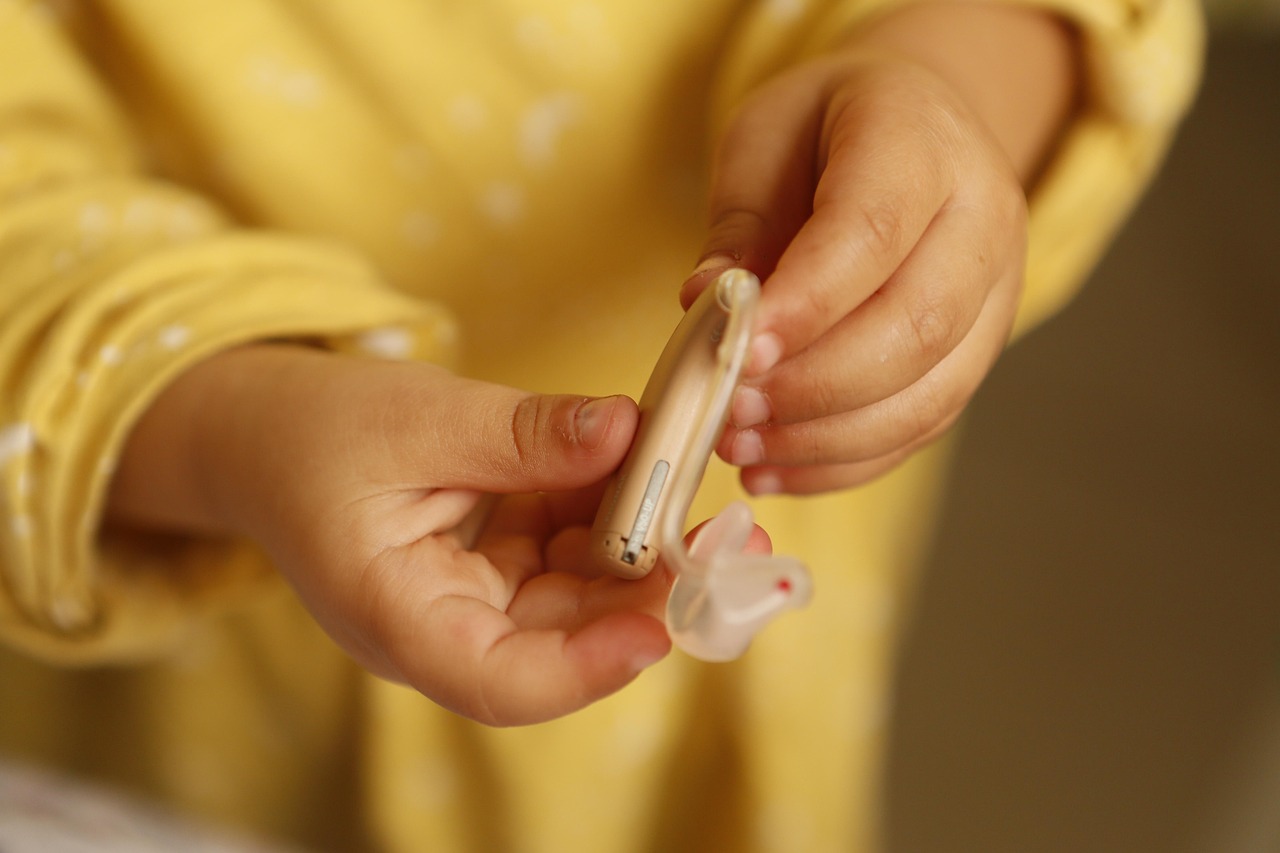
How We Compare Hearing Aid Performance
HearMetrics uses signal-to-noise ratio (SNR) improvement as the primary metric for comparing hearing aid performance. SNR improvement measures how many decibels a hearing aid improves the listening situation relative to an unaided or omnidirectional baseline.
This metric is based on standardized speech-in-noise tests and reflects the hearing aid's actual contribution to speech clarity — not subjective ratings or marketing claims. Higher SNR improvement directly translates to better speech understanding in restaurants, meetings, and social gatherings.
Why SNR? Research consistently shows that SNR improvement is the single best predictor of hearing aid benefit in noise. Each 1 dB of SNR improvement corresponds to approximately 7–10 percentage points better word recognition.
Current Premium Hearing Aid Comparison
The following table compares estimated SNR improvement for current premium hearing aid models. All values represent on-ear directional microphone benefit measured in multi-talker noise conditions.
| Manufacturer | Model | SNR Improvement | Key Technology |
|---|---|---|---|
| Phonak | Audeo Infini Sphere | ~4.5 dB | StereoZoom 2.0 + DNN beamforming |
| Oticon | Intent | ~4.0 dB | Deep Neural Network noise processing |
| Starkey | Genesis / Omega AI | ~3.5 dB | Edge Mode+ AI noise management |
| Signia | Pure C&G BCT IX | ~3.5 dB | Augmented Xperience split processing |
| Widex | Allure RIC 440 | ~3.0 dB | TruSound philosophy, PureSound |
Values are approximate and based on available research, manufacturer data, and clinical measurements. Actual results depend on fitting, hearing loss configuration, and acoustic environment.
Visual SNR Comparison
SNR improvement by technology type, visualized:
Brand-by-Brand Analysis
Phonak: Audeo Infini Sphere (~4.5 dB)
Phonak's flagship uses StereoZoom 2.0 with deep neural network (DNN) beamforming to achieve strong on-ear SNR improvement. The system coordinates both hearing aids to create a focused listening beam that adapts in real time. Phonak also offers the Roger ecosystem of remote microphones, which can add 10–15+ dB of additional benefit. For a detailed comparison, see Phonak Sphere vs Oticon Intent.
Oticon: Intent (~4.0 dB)
Oticon's Intent uses a deep neural network trained on millions of sound scenes to process speech and noise. Rather than creating a narrow beam, Oticon's approach aims to preserve the natural sound environment while enhancing speech clarity. This "open sound" philosophy appeals to users who find narrow beamforming isolating.
Starkey: Genesis / Omega AI (~3.5 dB)
Starkey's AI-powered Edge Mode+ activates enhanced noise management on demand, providing a boost in difficult listening situations. The Genesis platform also includes fall detection, health tracking sensors, and extensive smartphone integration.
Signia: Pure C&G BCT IX (~3.5 dB)
Signia's Augmented Xperience (AX) platform uses split processing to handle speech and background sounds independently. The IX platform adds motion sensors that adjust processing based on whether the wearer is moving or stationary, optimizing directional microphone behavior for each situation.
Widex: Allure RIC 440 (~3.0 dB)
Widex prioritizes natural sound quality through its PureSound and TruSound processing philosophies. While the measured SNR improvement is slightly lower than competitors, many users prefer Widex's sound quality for music listening and situations where broad environmental awareness is valued over maximum noise suppression.
The Remote Microphone Advantage
Regardless of which hearing aid brand you choose, the single largest improvement in speech-in-noise performance comes from adding a remote microphone. Remote microphones capture speech near the talker's mouth and transmit it wirelessly to the hearing aids, bypassing room noise and distance effects entirely.
With 10–15+ dB of effective SNR improvement, a remote microphone provides roughly 2–4 times the benefit of any on-ear directional system. This means the difference between hearing aid brands (1–1.5 dB) is far less significant than whether a remote microphone is used (10–15 dB).
Bottom line: If speech in noise is your primary concern, invest in a quality remote microphone system regardless of which hearing aid brand you choose. The SNR benefit of a remote mic dwarfs the differences between brands.
Beyond SNR: Other Factors to Consider
While SNR improvement is the most objective performance metric, choosing a hearing aid involves several other important factors:
Sound quality preference: Some users prefer a natural, open sound (Oticon, Widex) while others prefer maximum noise suppression (Phonak). Trial periods are essential for finding your preference.
Connectivity: All major brands now offer Bluetooth streaming, but compatibility with specific phones and accessories varies. Check compatibility with your devices before purchasing.
Form factor and comfort: Behind-the-ear (BTE), receiver-in-canal (RIC), and custom in-the-ear (ITE) styles have different comfort profiles and performance characteristics.
Professional fitting: Even the best hearing aid performs poorly with a suboptimal fitting. An experienced audiologist who performs speech-in-noise testing and real-ear measurements will maximize the benefit of any hearing aid.
Frequently Asked Questions
Which hearing aid brand has the best noise performance?
Based on available clinical data, Phonak leads with the Audeo Infini Sphere at approximately 4.5 dB SNR improvement, followed by Oticon Intent at 4.0 dB. However, all premium brands perform within a 1.5 dB range, and remote microphone use provides far more benefit than brand differences.
How are hearing aids compared for performance?
The most objective metric is SNR improvement measured using standardized speech-in-noise tests. This measures how many decibels the hearing aid improves listening relative to an unaided baseline.
Is a 1 dB difference between hearing aids meaningful?
Yes. Each 1 dB of SNR improvement corresponds to approximately 7–10 percentage points better speech recognition in noise. Over dozens of daily conversations, this compounds into noticeably reduced listening effort.
Should I choose a hearing aid based on noise performance alone?
No. While noise performance is crucial, sound quality preference, comfort, connectivity, battery life, and accessory compatibility also matter. The best hearing aid performs well in noise and fits your lifestyle.
Do all premium hearing aids come with directional microphones?
Yes. All current premium hearing aids include directional microphone technology. The difference lies in processing sophistication — from basic fixed directional modes (3 dB) to binaural beamforming (5–6 dB).
How do Dr. Cliff's rankings compare to this data?
Dr. Cliff Olson's YouTube rankings are based on clinical impressions from fittings, features, and patient experience — not standardized speech-in-noise comparisons. His perspective is valuable for understanding fitting quality and real-ear measurements, but for quantitative SNR data across brands, use lab-based sources like HearAdvisor and the data on this page. See our analysis of Dr. Cliff's review approach.
Explore More Topics
Frequently Asked Questions
Which hearing aid works best in noisy environments?
No hearing aid completely eliminates background noise. In our SNR testing, Fortell Evoke leads with +7.5 dB SNR improvement, followed by Phonak Sphere at +4.5 dB and Oticon Intent at +4.0 dB. However, even premium devices provide only moderate improvement in difficult environments like busy restaurants.
Are more expensive hearing aids better in noise?
Not necessarily. Price differences between premium tiers are often larger than performance differences. A $6,000 hearing aid may only provide 1-2 dB more SNR improvement than a $4,000 model, which most listeners wouldn't notice. Accessories like remote microphones often provide more benefit per dollar.
What improves speech clarity the most?
Remote microphones provide the largest real-world improvement, typically +10-15 dB SNR — far more than any hearing aid alone. Directional microphones help when the speaker is directly in front, adding +2-4 dB. AI noise reduction provides subtle improvements but doesn't fundamentally change the SNR.
How does HearMetrics compare hearing aids?
We use signal-to-noise ratio (SNR) as the core metric, drawing from published clinical studies, manufacturer specifications, and independent testing data. Unlike subjective reviews, SNR gives an objective, repeatable measure of how much a device improves speech understanding in noise.
Why do hearing aids struggle in restaurants?
Restaurants combine multiple challenges: competing talkers from all directions, reverberation from hard surfaces, distance from the speaker, and diffuse background noise. Directional microphones work best when noise comes from one direction, but restaurant noise is omnidirectional, limiting their effectiveness. Read more about restaurant challenges.
Scott Johnson
Hearing Technology Analyst
Scott Johnson analyzes hearing aid signal processing and speech-in-noise performance. His work focuses on signal-to-noise ratio (SNR), directional microphones, and real-world hearing aid technology evaluation.
Related Articles
Stay Updated on Hearing Aid Research
Get evidence-based hearing aid comparisons and new analysis delivered to your inbox. No spam, unsubscribe anytime.
Watch: Hearing Aid Brand Performance Comparison
A visual walkthrough of SNR data across major hearing aid brands — showing which devices perform best in multi-talker noise and by how much.
SNR data comparison across Phonak, Oticon, Starkey, Signia, Widex, and Fortell.